Korean Banchan Culture: Free Refills and Heartwarming Affection
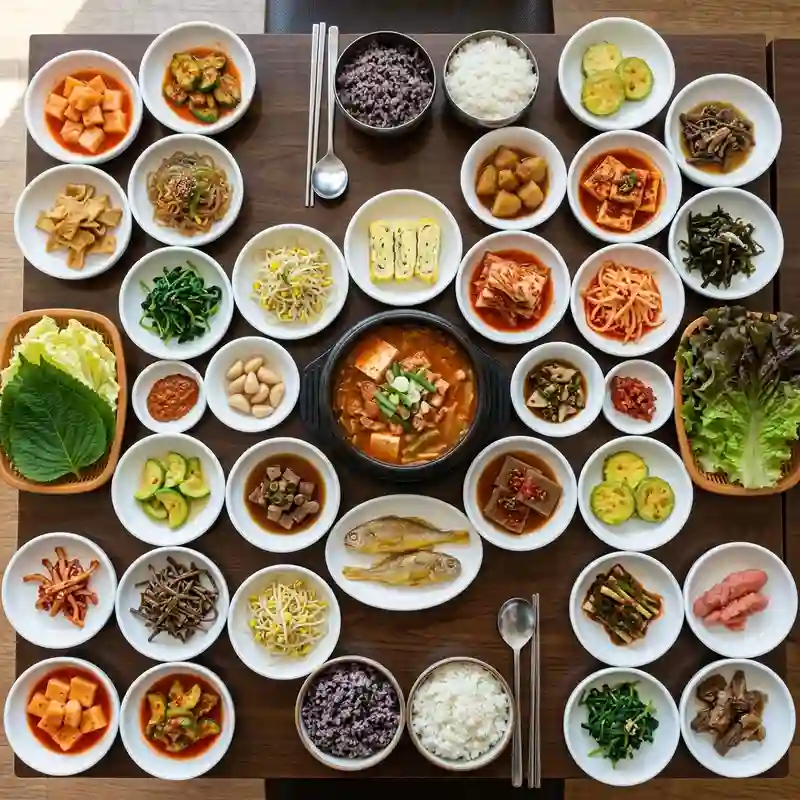
When foreign friends visit Korea for the first time and we go out to a local restaurant, the moment they are always most surprised by is right after we order. We only ordered one main dish, yet suddenly, the table is endlessly filled with six or seven unfamiliar small plates. From spicy kimchi and savory bean sprouts to seasoned spinach, pan-fried fish, or fluffy steamed egg, the variety is staggering.
"We didn't order these. Do we have to pay extra?" my flustered friends often ask. I always smile and reply, "These are all completely free. What's more, if you finish them, you can ask for as much as you want." This is the unique Korean restaurant culture of 'Banchan' (side dishes) and endless free refills.
Endless Banchan: The Generosity of Korean Dining
For Koreans, having a dining table with rice, soup, and at least three or four side dishes including kimchi is as natural as breathing. This is simply because the meals our mothers prepared at home were always like this. We tend to view restaurants not just as a place to pay for a quick bite, but as an extension of home-cooked meals. Therefore, even if we only order a single stew, we feel like we've had a 'proper meal' only when a variety of side dishes—which showcase the restaurant's culinary skill—are laid out as a foundation.
The fascinating part is that 100% of these side dishes are free and offer unlimited refills. In Western countries or even neighboring Japan, you usually have to pay extra for every small side dish you add. However, in a Korean restaurant, it's a common sight to see an "Auntie" (the server or owner) spot your empty side dish bowl and generously bring you a mountain of refills, often asking warmly, "Should I give you more bean sprouts?"
A Table Bound to Break: A Meal in Jeonju
Twenty years ago, my family and I traveled to Jeonju, a city famously known as the capital of flavor in Korea. To grab lunch, we randomly walked into a traditional local restaurant (Baekban-jib). Even though we ordered a simple stew set meal that cost just around 10,000 won (about 7-8 USD) per person, the side dishes stacked on trays amounted to over twenty different kinds.
Looking at the dishes packed so tightly that it was hard to find an empty spot on the table, my parents and our whole family couldn't close our mouths in awe. From savory salted seafood and freshly pan-fried warm tofu to spicy braised fish, we honestly didn't even know where to point our chopsticks first.
While we were slowly and deliciously eating our meal, a conversation naturally sparked among my family members. "Wait, can the restaurant even make a profit giving away this much food? Honestly, I feel a bit sorry for them." By the time we were finishing our meal, the owner saw our empty plates and refilled our side dishes without us even asking. Her warm, genuine smile made us feel less like customers paying for a meal, and more like we had visited a generous aunt's house in the countryside to be warmly hosted.
The 'Dum' Culture Originating from Family-like Bonds
So, why do Korean restaurants insist on this banchan refill culture that seemingly causes them a financial loss? To understand this, you must understand Korea's unique culture of 'Jeong' (affection/connection) and 'Dum' (extra/bonus).
Traditionally, Korea was an agricultural society that placed immense value on the village community. Whenever there was a joyful occasion or delicious food was made, there was a strict custom of sharing it with the neighbors. Even a few decades ago, when someone moved into a new neighborhood, the very first thing they did was steam red bean rice cakes (pat-sirutteok) and knock on their neighbors' doors to share them, greeting, "Please look after us from now on." During traditional holidays in the countryside, all the villagers would gather in the yard of the eldest elder's house, boil meat soup in a giant cauldron, fry pancakes together, and throw a massive feast.
💡 Cultural Guide: What are 'Jeong' and 'Dum'?
Jeong (정, 情): A deep, invisible emotional bond and collective affection shared between people. It’s the feeling of caring for others as if they were your own family, often expressed through sharing food and extending a helping hand without expecting anything in return.
Dum (덤): The concept of giving a 'little bit extra' for free. When you buy apples at a market and the vendor throws in one more with a smile, that extra apple is 'dum'. It's not a calculated marketing tactic, but a warm expression of Jeong.
The Restaurant Owner is Also a Neighbor
This warm 'Jeong'—the mindset of sharing even a portion of what my own family would eat to take care of others—naturally seeped into commercial restaurant culture. While making a profit is important in business, the desire to ensure that a guest who visits my shop leaves with a full, warm stomach takes precedence.
When buying goods at a traditional market, if you playfully ask, "Please give me just one more~", the vendor might pretend to give in and slip an extra piece into your bag (Dum). When you finish your meal at a restaurant and the owner presses a small bottle of yogurt into your hand as you leave. Within these small actions lies a deep, sticky bond and affection between people that goes far beyond simple marketing tactics to attract customers.
They say the world is changing rapidly into an era where efficiency and profit are top priorities, but at least on the Korean dining table, that warm Jeong and Dum culture still breathes and lives on. Eating a heaping bowl of rice firmly pressed down by the restaurant auntie and endlessly refilled side dishes at the end of a grueling day, we might just be filling not only our stomachs but our cold hearts as well.
Practical Guide to Korean Banchan for Tourists
If it's your first time visiting a Korean restaurant, don't panic at the endless array of side dishes. Just remember these helpful tips!
- 100% Free Refills: All the banchan set on your table are completely free. If you finish a dish and want more, don't hesitate to ask the restaurant auntie, Imo-nim, banchan jom deo juseyo (Auntie, please give me more side dishes). Recently, many restaurants also have a 'Self-bar' where you can bring more side dishes yourself.
- No Takeaway for Banchan: Just because there are delicious side dishes left over, asking the restaurant to pack them in a to-go box is not common in Korea and will mostly be refused. Enjoy the delicious banchan to the fullest while you're there, and don't feel too sorry that you can't take them home!
- Avoid Food Waste by Asking to Remove Unwanted Dishes: Just because it's free doesn't mean you should ask for refills unconditionally and leave them all behind. If there's a side dish on the table that you're allergic to or absolutely won't eat, it's polite to tell the restaurant owner, Please take this one away, before you even touch it with your chopsticks.
Food as Comfort: The Deep Meaning of Sharing Meals & Drinking in K-Dramas
Explore why asking 'Have you eaten?' is the ultimate expression of love and healing in Korean culture.
📌 Recommended Related Posts
이 리뷰를 한국어로 읽고 싶으신가요?
🇰🇷 한국어 리뷰 읽기