Who Was Admiral Yi Sun-sin? Gwanghwamun Statue and Museum Guide
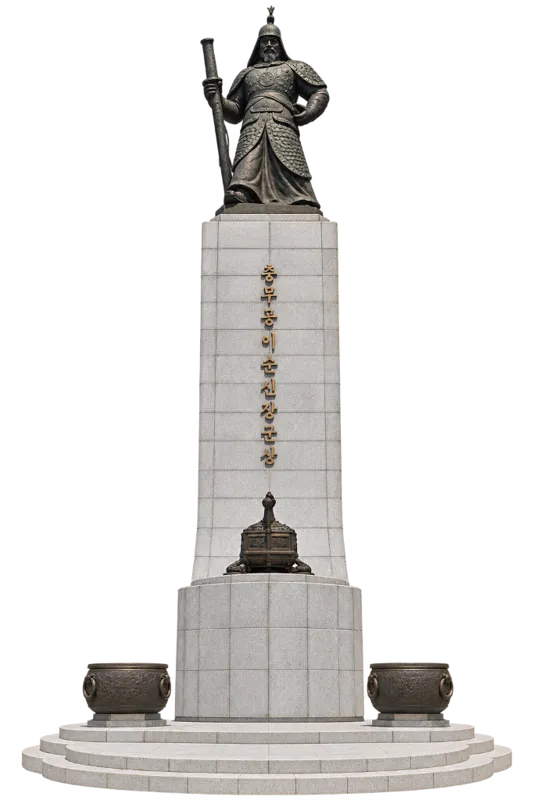
A Visitor's Guide to the Admiral Yi Sun-sin Statue and Exhibition at Gwanghwamun
- Statue location: Admiral Yi Sun-sin's statue stands at the southern end of Gwanghwamun Square. It is a modern memorial, erected in 1968, not an artifact from the Joseon period.
- Underground exhibition: Entrances behind the King Sejong statue and from the Sejong Center connect to The Story of King Sejong and The Story of Admiral Yi Sun-sin.
- Admission and regular hours: Admission is free. Regular hours are 10:00 a.m.–6:30 p.m. (last entry 6:00 p.m.); the exhibition is normally closed on Mondays. Check the official site for holiday and temporary schedules.
- What is inside: The Admiral Yi exhibition covers his life, Joseon warships, naval battles, his War Diary, leadership, and a 4D experience.
What This Guide Covers
- When and Why Was the Statue of Admiral Yi Sun-sin Erected?
- Is the 13-versus-133 Story from Myeongnyang Accurate?
- Why Was Yi Arrested and Later Returned to Command?
- Was the Turtle Ship Really an Ironclad?
- What Can You See at the Gwanghwamun Exhibition?
When and Why Was the Statue of Admiral Yi Sun-sin Erected?
My family once walked through Gwanghwamun Square and saw the statues of Admiral Yi Sun-sin and King Sejong. I remember telling my son to learn our history and grow into a good person. At the time, it was a moment from a family outing. Later, after watching the films The Admiral: Roaring Currents, Hansan: Rising Dragon, and Noryang: Deadly Sea, I found myself thinking again about Yi's life.
English-language history forums still ask how much of Yi's battle record can be confirmed and whether primary sources differ from the familiar heroic story. This guide focuses on those questions, what historians can say about the Turtle Ship, and what visitors can see at Gwanghwamun. (A recent history discussion)
Yi Sun-sin (1545–1598) commanded Joseon's navy during the Imjin War, Japan's invasions of Korea from 1592 to 1598. The statue at Gwanghwamun Square is a modern memorial, erected in 1968 to honor Yi's patriotism and loyalty. Seoul's heritage record says the project also reflected an effort to restore the city's central axis, which had been altered during Japanese rule. The statue therefore tells visitors both about a wartime commander and about how modern Korea has remembered him. (Statue history: Seoul Future Heritage: Statue of Admiral Yi Sun-sin)
Is the 13-versus-133 Story from Myeongnyang Accurate?
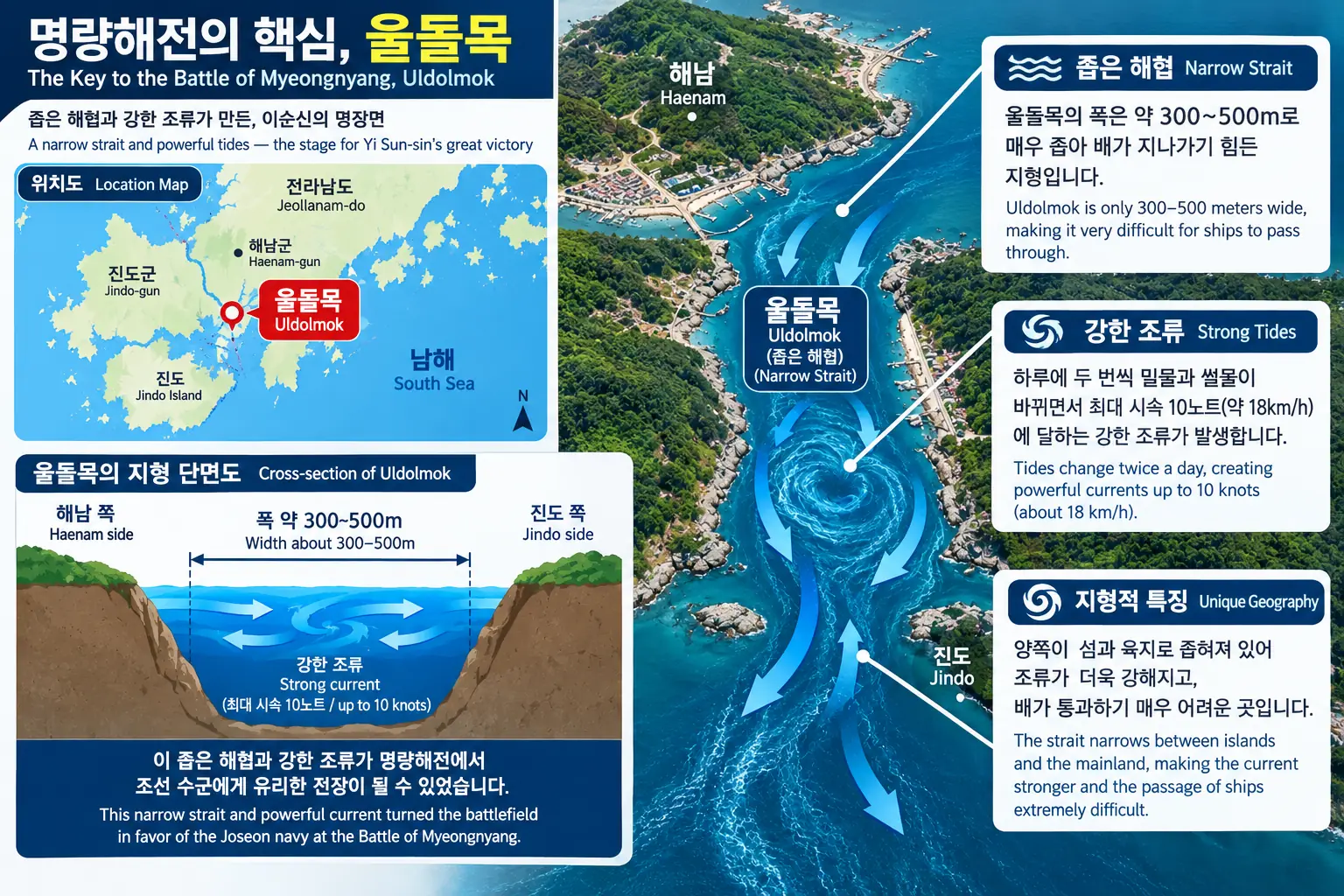
The numbers “13 ships versus 133” often appear in overseas history posts and videos about Admiral Yi. The widely cited account says that 13 Joseon warships faced 133 Japanese ships at the Battle of Myeongnyang in 1597. The Academy of Korean Studies' Encyclopedia of Korean Culture gives the Joseon fleet as 13 ships, while noting that some accounts say 12. It is more accurate to mention that variation than to present one number as beyond dispute. (Source: Academy of Korean Studies, Encyclopedia of Korean Culture: Yi Sun-sin)
Calling the victory a miracle alone can hide the tactics behind it. Yi chose a battlefield shaped by a narrow strait and strong currents, and used the strengths of Joseon ships and naval artillery. Questions on Reddit's history forum also ask how terrain, tactics, ships, and supplies contributed to his success. (Example of an overseas history discussion)
The phrase “23 battles, 23 victories” is also widely repeated, but the total depends on how historians define and count separate battles and engagements. This guide treats it as a popular summary of Yi's record of naval victories during the war, not as a single uncontested official statistic. (Discussion of victory counts: Yonhap News, reporting on claims about Yi's battle record)
Why Was Yi Arrested and Later Returned to Command?
Yi's life was not a string of victories. In 1597, Japanese deception, decisions at court, and accusations by rival commander Won Gyun converged. Yi was arrested and harshly questioned, removed from command, and ordered to serve in the army without rank. Rather than reducing this episode to one person's jealousy, it is more useful to understand how misleading intelligence and court decisions combined during wartime. (Historical background: National Institute of Korean History, Our History: Yi Sun-sin)
After the Joseon fleet under Won Gyun suffered a devastating defeat at Chilcheollyang, the court reinstated Yi as commander. Sources count his remaining fleet at 12 or 13 ships. He went on to win at Myeongnyang and died at Noryang, the final major battle of the war. His story becomes more human when we include both his victories and the time he lost his command before being asked to lead again.
Was the Turtle Ship Really an Ironclad?
The Turtle Ship is often called “the world's first ironclad” in English-language content. The Academy of Korean Studies' encyclopedia says the evidence for that claim is uncertain. Historical descriptions portray the ship as an adaptation of the panokseon (Joseon's main warship), with a covered upper deck and swords or spikes that made it difficult for enemy soldiers to board. It is safer to describe it as a covered assault ship than to claim its hull was fully armored with iron. (Source: Academy of Korean Studies, Encyclopedia of Korean Culture: Turtle Ship)
During a family trip to Yeosu, we saw a Turtle Ship model. At the time, it was one stop on our trip. Now I connect that memory with the statue at Gwanghwamun and the naval battles I saw in the films. That visit is a personal memory, not evidence about the ship's design.
What Can You See at the Gwanghwamun Exhibition?
The entrance behind the King Sejong statue and the underground passage from the Sejong Center lead to The Story of King Sejong and The Story of Admiral Yi Sun-sin. The Admiral Yi exhibition covers his life, Joseon ships, the naval war, his War Diary, and leadership. It also includes a Turtle Ship model, videos, and interactive exhibits. Sejong Center says that its VoiceEye system provides exhibition content through scannable codes, with multilingual translation through the app. (Exhibitions and visitor information: Sejong Center's English visitor guide, official hours and admission information)
Admission is free, and the regular closing day is Monday. As of October 2026, the venue has announced extended hours until 9:00 p.m. on Tuesdays, Wednesdays, Fridays, Saturdays, and Sundays through November 30. Hours can change, so check the official visitor information on the day of your visit.
Starting at the statue, visitors can follow Yi's story through the naval battles, the Turtle Ship, and his War Diary. A visit to the exhibition adds the less familiar part of that story: his removal from command and his return to the navy. Together, the statue and exhibition connect Korea's history with the way it is remembered today.
📌 Recommended Posts
이 리뷰를 한국어로 읽고 싶으신가요?
🇰🇷 한국어 리뷰 읽기