Korean Ondol: How Underfloor Heating Works and How to Use It in Winter
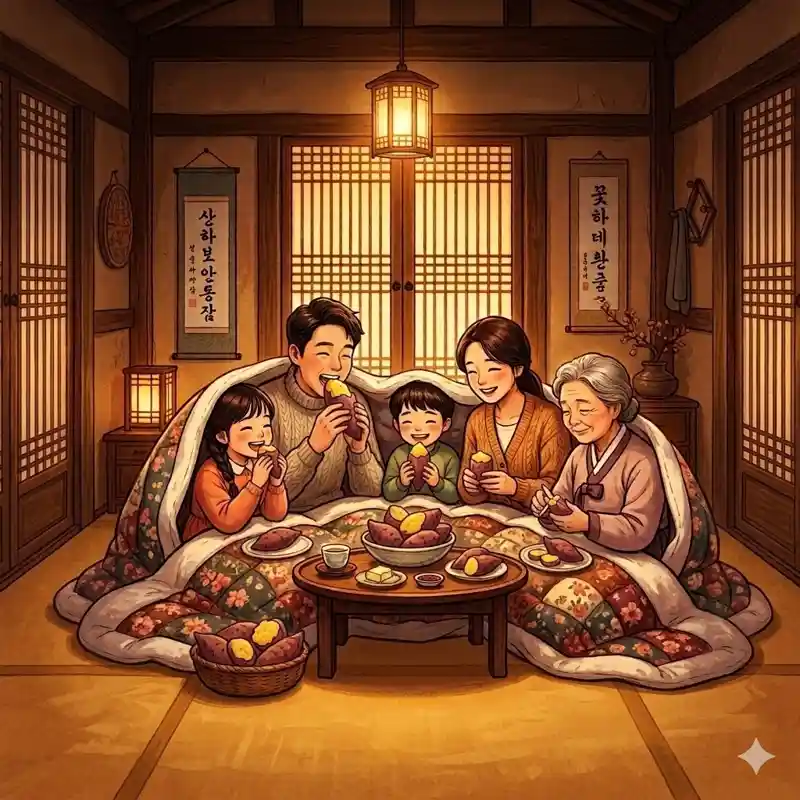
In the old days, when the weather turned chilly, the first thing Koreans looked for was none other than a 'toasty warm floor.' In Western countries, people mostly rely on air heaters or radiators to directly warm the indoor air. However, for centuries, Korea has used a unique heating system called 'Ondol' (Korean Floor Heating), which heats the floor itself to warm the entire room. The gentle heat radiating from the floor, without the dry air of modern blowers, is the most scientific and comfortable secret to surviving the Korean winter.
In This Article (Table of Contents)
- Memories of Firewood, Drafts, and the Warmest Spot
- The Evolution of Ondol That Changed Western Bed Culture
- 3 Common Mistakes Foreigners Make in Korean Accommodations
- Decoding the 4 Essential Buttons on Korean Boiler Controllers
- Practical Tips for Experiencing Ondol to the Fullest
- A Warm Floor Is More Than Just Heating
Memories of Firewood, Drafts, and the Warmest Spot
When I think back to the countryside house where I grew up, a specific scene always comes to mind first. When the crisp autumn breeze started blowing, my father would head up the mountain in advance to chop plenty of wood. He would sweat in the front yard, carefully splitting the firewood into smaller pieces and stacking them neatly against the wall. That wood, diligently prepared throughout autumn, became the vital fuel for our large kitchen Agungi (traditional firebox) when the freezing winter finally arrived. When he built a fire, the heat would travel through the flues under the room's floor, instantly turning the ice-cold floor scorching hot. No matter how brutal the winter cold was outside, we never felt the chill thanks to that fire.
However, old traditional houses had notoriously severe drafts seeping through the door cracks. The Araenmok (the spot on the floor closest to the firebox) was so hot it felt like it could burn your skin, yet the air in the room was so cold that the tip of your nose would sting. So, our entire family would pull out a thick cotton blanket, lay it over the hot floor, and huddle together with our legs shoved underneath.
This is where the ultimate Korean winter snack comes in. In the countryside, summer was for sitting outside on the wooden pyeongsang platform eating giant watermelons, sweet yellow chamoe (Korean melons), or fluffy boiled potatoes to beat the heat. But once autumn and winter arrived with the cold wind, the undisputed champion of snacks was the sweet potato. My father would toss foil-wrapped sweet potatoes into the glowing red embers left in the firebox, and soon, a sweet, roasted aroma would spread through the entire house. We constantly fought to stay under the blanket and refused to step out to escape the cold air, but we would all eagerly reach our hands out to grab those piping hot, perfectly roasted yellow sweet potatoes. Those cozy, chaotic moments have now become a deeply nostalgic memory.
Cultural Guide: What is Ondol and the Korean Stone Bed?
Ondol (온돌) is Korea's traditional underfloor heating architecture. Originally, heat and smoke from a kitchen firebox traveled through stone flues under the living room floor before exiting a chimney. Today, it has evolved into a modern system where hot water circulates through pipes under the floorboards.
Fascinatingly, this love for heated floors led to the invention of the Ondol Bed (Stone Bed/Mud Bed). Even after Western-style beds became standard, many Koreans replaced soft mattresses with heated stone slabs, believing that sleeping on a hard, scorching hot surface is the ultimate way to relieve fatigue during winter.
The Evolution of Ondol That Changed Western Bed Culture
In modern times, the countryside fireboxes and firewood have disappeared, evolving into advanced boiler systems that pump hot water through pipes beneath apartment floors. But the fascinating part is that even as Korean lifestyles Westernized and people started sleeping on beds instead of the floor, their obsession with Ondol never faded.
Although soft mattresses were introduced from the West, Koreans, unable to forget the sensation of soothing their backs on a hot surface, eventually invented 'Stone Beds' (Dol-chimdae) and 'Mud Beds'—beds equipped with heated stone or clay slabs instead of springs. Many Koreans willingly sacrifice the softness of a mattress, firmly believing that they can only truly recover from a tiring day by cranking up the bed's temperature and roasting their backs on a hot stone surface during winter. Even with regular mattresses, an electric heating pad or a hot water mat on top is a must to survive the season. In a way, Korea completely assimilated Western furniture into its own Ondol culture.
3 Common Mistakes Foreigners Make in Korean Accommodations
First-time visitors staying at an Airbnb or traditional Hanok in Korea often get confused by the underfloor heating system. Knowing these three common pitfalls in advance will save you from major winter headaches.
- Trying to turn on heating with the air conditioner remote: Many tourists press buttons on the wall-mounted remote control expecting heat, as they would in Western hotels. However, in Korea, those wall remotes are usually strictly for summer air conditioning—meaning you might accidentally turn on AC in freezing winter! Heating is controlled exclusively via a separate fixed wall controller.
- Turning off the main power when leaving the room: Out of a good intention to save energy, many visitors press the main Power (전원) button before heading out. Doing so turns off hot water completely and risks freezing/bursting the water pipes in severe cold. Always press '외출' (Outing/Away) instead of turning off the power.
- Opening windows when the floor gets too hot: If the floor feels too hot, opening windows without adjusting the thermostat causes the boiler to work continuously, wasting gas and energy. Simply lower the set temperature by 1–2°C and wait for the radiant heat to gently cool down.
Decoding the 4 Essential Buttons on Korean Boiler Controllers
Wall-mounted controllers in Korean rentals can look intimidating because they are written entirely in Korean. Regardless of the brand (Navien, Kiturami, Rinnai), just remember these key terms:
- 난방 (Heating / Room Temp): The main function to heat the floor. Set your desired room temperature (recommended 21°C–24°C) to keep the room warm.
- 외출 (Outing / Away Mode): Keeps the room at a minimum temperature while you are out to prevent pipes from freezing and save energy. Press this when leaving the accommodation.
- 온수 전용 / 온수 (Hot Water Only): Used when you only need hot water for showering without heating the floor (e.g., during warmer months). Make sure the '온수' light is on before stepping into the shower.
- 예약 (Timer Mode): Cycles the boiler on and off periodically. It can be tricky for first-timers, so keeping the controller on regular '난방' mode is recommended.
Practical Tips for Experiencing Ondol to the Fullest
- Always take off your shoes indoors: Ondol is designed to transfer comforting heat directly from the floorboards to your feet. Wearing shoes or outdoor slippers indoors blocks you from experiencing the true warmth of Korean culture.
- Double up on floor mats (Yo) for sleeping: If you are used to plush Western mattresses, sleeping on a firm floor might feel uncomfortable for your back. Stacking two layers of traditional futon mats (*Yo*) provides the perfect balance of softness and cozy underfloor warmth.
- Wake up with healthy skin and a clear throat: Unlike forced-air heaters that blow dry, dusty air, radiant Ondol heat preserves humidity—ensuring you wake up without a parched throat or dry skin.
A Warm Floor Is More Than Just Heating
Ondol was more than a heating method. It was something the whole family prepared together to warm a single floor, and then shared shoulder to shoulder while building bonds on top of it. With the family gathering only days away and the chilly wind blowing in, I find myself missing my father's back as he fed the firebox, and the faces of my family peeling roasted sweet potatoes under the blanket, laughing together. This family gathering, I plan to go down to my hometown, gather with the whole family, and lie belly-down on that warm floor talking all night about those happy old days. Writing about Korean culture and looking back on my own precious family memories has left me feeling especially warm and happy today.
📌 Recommended Posts
이 리뷰를 한국어로 읽고 싶으신가요?
🇰🇷 한국어 리뷰 읽기